Andy Lyons
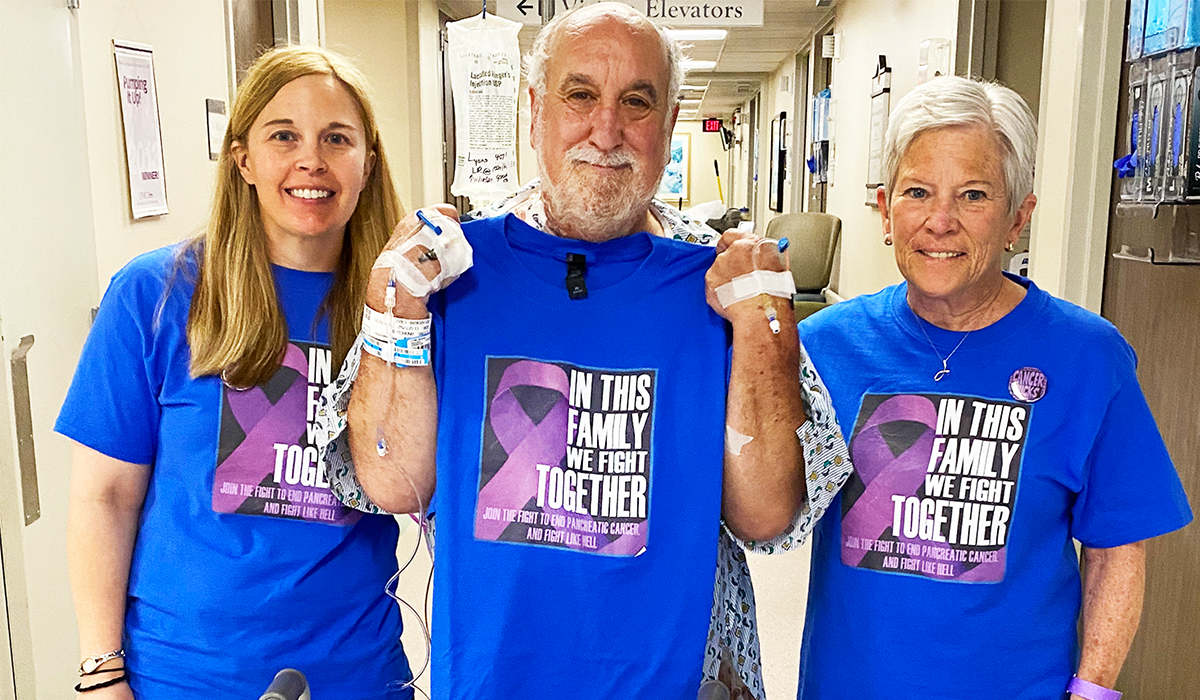
“I’m a nearly four-year cancer survivor. More specifically, I’m a nearly four-year pancreatic cancer survivor—words that, sadly, you don’t see together very often. I hope to help change that.”
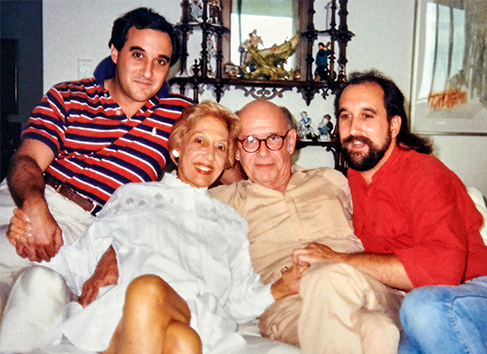
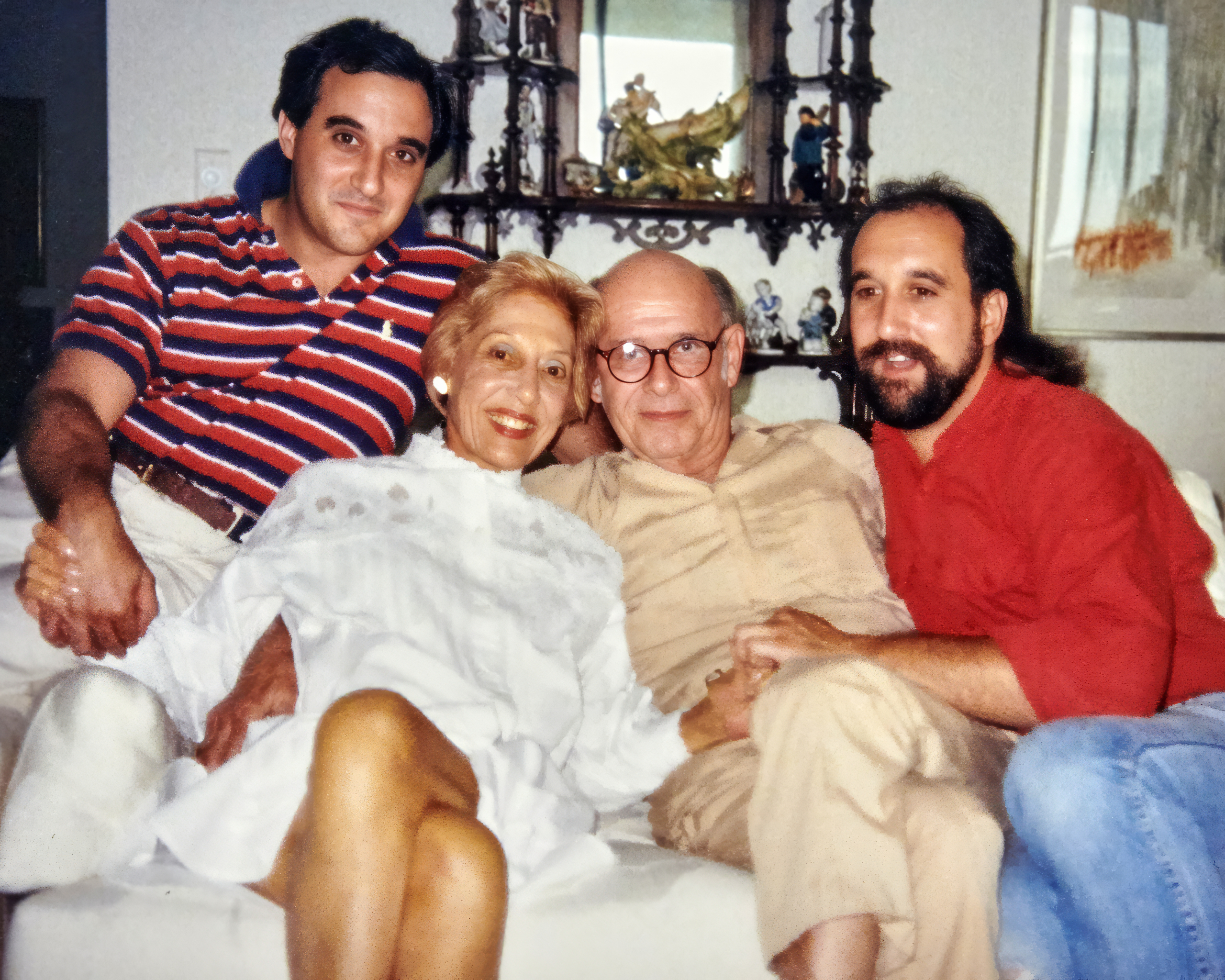
Andy Lyons has a “generations-long” family history of pancreatic cancer. “It took nearly all of my immediate family,” he explains. “My grandmother and two of her sisters, my mother, her twin sister and their brother and finally my brother—I figured at some point, it would be coming after me.”
For 24 years, Andy had regular checks for pancreatic cancer as part of his participation in a familial cancer research study. Then, the day came: He was diagnosed in October of 2021. “My doctor told me, ‘This is why we did all those years of monitoring.’” The tumor in his pancreas was small, and there was no sign the cancer had spread. “It was really a best-case scenario,” Andy recalls. “And my surgical oncologist added, ‘I fully expect you to be cancer-free.’ That was exactly what I wanted to hear. I had him repeat that. Twice.”
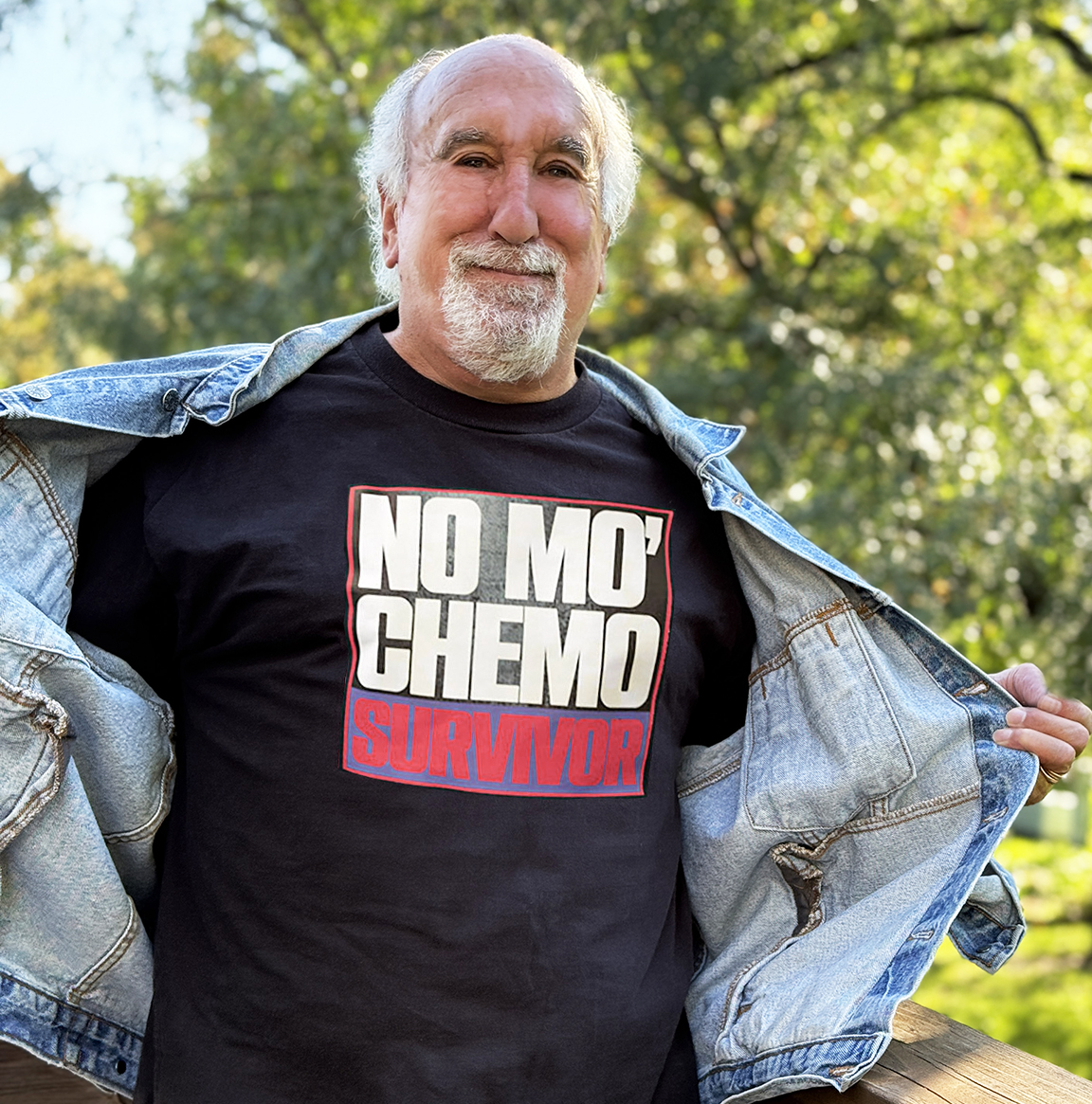
Following his surgery, Andy had several months of chemotherapy. “We knew chemo would present challenges, but we gathered as much information as we could ahead of time and prepared for the worst.”
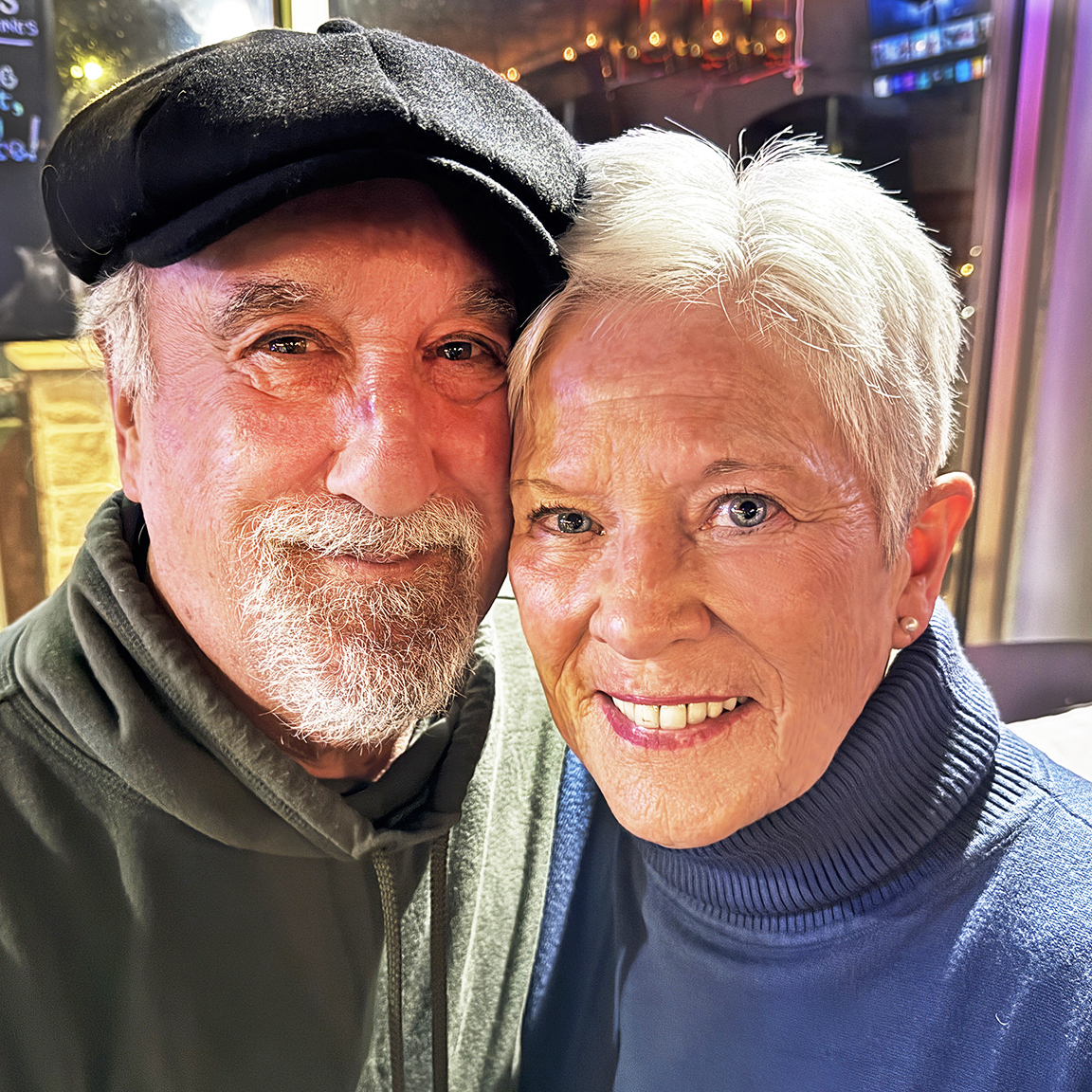
Andy’s wife, Joan, helped him navigate the chemo as his main caregiver. “She was very persistent and thorough in finding out just what we may experience,” he says. Andy refers to the chemo side effects as “aftershocks,” which he worked on mitigating through physical therapy and a recovery wellness program for strength training and improved balance. “Chemo-induced peripheral neuropathy (pain and tingling in his hands and feet) is an ongoing challenge,” Andy adds. “But we’re dealing with it and are thrilled to be here to talk about it.”
Since his cancer diagnosis, Andy wants to be as vocal as possible about the importance of early detection. “I talk about my cancer. A lot,” he says. “Many people don’t like to talk about cancer,” he continues, “mostly out of fear, I suspect, until they or someone close to them is diagnosed. I think it’s so important to drag it out of the shadows. Knowledge is indeed power.”
The most important tool that got him through his low points, Andy says, is his sense of humor. “I always approached my life B.C. (Before Cancer) with a heavy dose of humor. So, it just seemed natural to use it in my cancer journey. I wrote many blog posts about my time in treatment; it made for fun writing yet also helped to educate people about the process.”
Andy’s advice to those who are facing their own diagnosis is to not hesitate to get a second opinion if needed: “Or a third or fourth. If there’s a consensus for treatment and diagnosis, great. Find a medical team you have total confidence in and don’t settle for less. And just as important: keep a positive attitude, ask every question you have, never give up hope, and remember that cancer doesn’t always win.”
He believes strongly in cancer research because “it is making great strides to save lives, whether it is with diagnosis techniques, treatment options, or clinical trials. And without research, I wouldn’t be here writing this. It saved my life.”
Our Mission
Stand Up To Cancer raises awareness and funds research to detect and treat cancers with the aspiration to cure all patients. Find out how you can get involved.